
Business Rules Engine: What Every Small Business Needs to Know
A business rules engine separates decision logic from application code, letting non-developers change how a company approves loans, prices products, or flags fraud without rewriting software. For small firms, that gap matters: hard-coded rules force a developer call for every policy tweak, and those changes average $5,000 to $15,000 per release cycle according to common mid-market software estimates.
Why does this keep tripping up smaller operations? Most teams discover the cost too late, after a regulatory change or pricing update stalls for weeks. This guide breaks down pricing tiers, the rules that govern automated decisions, and a ranked action plan so spending lines up with actual impact rather than vendor promises.
Decision Automation Logic and Compliance Stakes
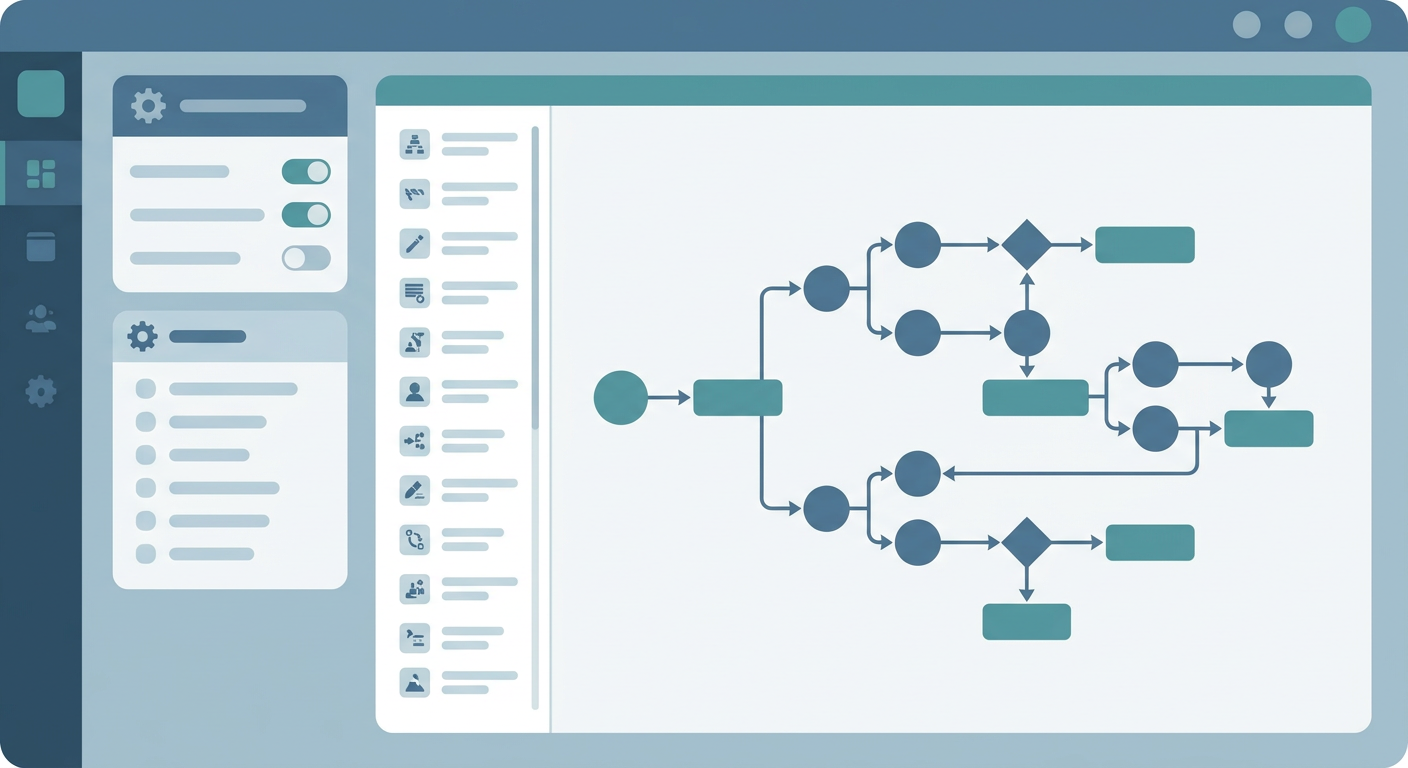
A business rules engine stores conditional statements, if a customer's credit score drops below 620, route the application to manual review, outside the main codebase. The result? Policy owners update terms through a visual editor or simple syntax instead of waiting on an engineering sprint. Gartner research has long noted that organizations using rule management cut decision-change turnaround from weeks to hours.
Where the Risk Hides
The Verizon 2024 DBIR found that 68% of breaches involved a non-malicious human element, things like misconfigured logic and bad data handling. When decision rules live buried in code, auditing them gets harder, and that opacity raises both fraud exposure and compliance gaps. A business rules engine makes each rule visible and traceable.
Regulatory Pressure
Automated decisions touching credit, insurance, or hiring fall under fairness scrutiny. The NIST AI Risk Management Framework (AI RMF 1.0) pushes for documented, explainable decision logic. Rule engines support that by logging which rule fired and when, evidence regulators increasingly expect.
Pricing Tiers and Cost Drivers in 2026
Costs split into three bands. Open-source options like Drools run free on licensing but demand Java skill and self-hosting, real labor isn't cheap. Mid-tier cloud platforms charge $300 to $2,000 monthly. Enterprise suites climb past $50,000 yearly.
What Moves the Number
- Rule volume, hundreds of active rules push you up a tier
- Decision throughput, transactions per second carries metered fees
- Integration depth, connecting CRM, billing, and core apps adds setup hours
- Hosting, self-managed vs vendor cloud shifts cost between capex and opex
Heres the part vendors rarely volunteer: implementation labor often doubles the sticker price. A $12,000 annual subscription can carry $10,000 to $20,000 in first-year configuration and testing.
Hidden Recurring Charges
Watch sandbox environments, premium support, and per-seat author licenses. Those add 15 to 30% on renewal that buyers seldom forecast.
Evaluating Options Against Real Needs
Start with decision frequency. If policies change twice a year, a lightweight tool or even a well-documented spreadsheet workflow may suffice. Change them weekly? A dedicated engine pays back fast.
Technical Fit
Match the engine to in-house skill. Drools needs Java and BRMS knowledge. No-code platforms like Decisions or commercial cloud offerings let operations staff build rules directly. CISA guidance on secure software supply chains stresses that you should verify a vendor's patch cadence and data handling before signing.
Scoring Vendors
- Audit trail, does every decision log its rule path?
- Version control, can you roll back a bad rule instantly?
- Testing tools, simulate rules against historical data before going live
- Export freedom, avoid lock-in by confirming rule portability
Run a 30-day trial against your real data, not the demo set. Synthetic demos hide the messy edge cases that break production logic.
Step-by-Step Action Plan Ranked by Payoff
Sequence work by impact versus cost so early effort returns the most.
High Impact, Low Cost First
- Document existing rules, map every decision your team makes manually, this alone surfaces inconsistencies and costs nothing but time
- Pick the three highest-volume decisions to automate first, fraud flags and pricing usually top the list
- Pilot one engine free tier before committing budget
Higher Cost, Phase Later
- Integrate the engine with core systems once the pilot proves value
- Add governance, assign rule owners and a review schedule
- Layer monitoring so you catch logic drift early
Why this order? Documenting and piloting cost almost nothing yet expose whether you even need a paid engine. Many small firms find a lighter tool handles 80% of cases. Ever notice how the expensive integration step gets sold first? Reverse that.
Common Mistakes That Drain Budgets
Over-buying tops the list. Firms purchase enterprise suites for under 50 active rules, then pay for capacity they never touch.
Skipping Governance
Without a designated rule owner, logic decays. One outdated discount rule cost a retailer real margin for months because nobody owned the review. Assign accountability from day one.
Ignoring Testing
Pushing untested rules live is the fastest route to a costly error. The DBIR's finding on human-element mistakes applies here, simulate against historical transactions first. And don't hard-code exceptions back into the app, that defeats the whole point of separating logic.
For high-stakes decisions touching lending fairness, data privacy, or regulated industries, consult a licensed compliance professional. This guide frames options, it doesn't replace legal review.