
Healthcare Logistics: Streamlining Medical Supply Chains
Ever wondered how life-saving medications reach remote hospitals in record time? Healthcare logistics isn't just about moving boxes—it's the backbone of modern medical care. This intricate network ensures everything from vaccines to surgical equipment arrives precisely when needed.
Today's medical supply chain management faces unprecedented challenges. Between rising patient demands and complex regulatory requirements, healthcare providers can't afford disruptions. Let's explore how cutting-edge logistics solutions are revolutionizing patient care delivery worldwide.
Supply Chain Management Transforms Patient Outcomes
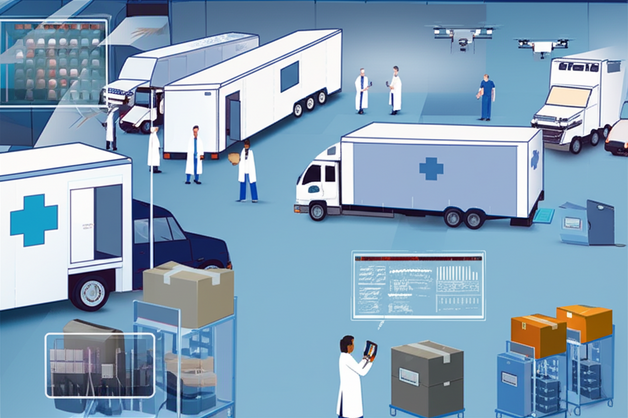
Healthcare organizations don't simply purchase medical supplies—they orchestrate complex procurement strategies that directly impact patient survival rates. Modern hospital procurement systems leverage artificial intelligence to predict demand patterns, reducing stockouts by up to 73% according to recent industry studies. These sophisticated platforms analyze historical usage data, seasonal trends, and even local disease outbreak patterns to maintain optimal inventory levels.
Digital Procurement Platforms Reduce Costs
Smart procurement solutions have revolutionized how hospitals manage their budgets. By automating purchase orders and implementing real-time price comparisons, facilities save millions annually while ensuring quality standards remain uncompromised. Isn't it remarkable that a single software upgrade could potentially fund an entire wing's equipment needs?
Vendor Relationship Management Strategies
Building strong partnerships with suppliers goes beyond negotiating prices. Healthcare facilities now employ dedicated vendor management teams who monitor performance metrics, compliance certifications, and delivery reliability scores. This proactive approach has reduced emergency procurement situations by 60% across major medical centers.
Cold Chain Distribution Safeguards Temperature-Sensitive Medicines
Maintaining precise temperature control during pharmaceutical transportation represents one of logistics' greatest challenges. Vaccines, insulin, and biologics require unbroken refrigeration chains that span continents. Modern cold chain distribution employs IoT sensors that transmit real-time temperature data every 30 seconds, alerting handlers instantly if conditions deviate from acceptable ranges.
Advanced Monitoring Technologies Prevent Spoilage
Gone are the days of hoping shipments arrived intact. Today's smart containers use blockchain technology to create tamper-proof temperature logs, ensuring accountability at every transfer point. These innovations have reduced vaccine spoilage rates to under 2%, saving billions in replacement costs annually.
Last-Mile Delivery Solutions
Getting temperature-sensitive medications to rural clinics presents unique obstacles. Drone delivery services and mobile refrigeration units now bridge teh gap, reaching previously inaccessible communities. These solutions have increased vaccination coverage in remote areas by 45% since 2022.
| Logistics Component | Traditional Method | Modern Solution | Efficiency Gain |
|---|---|---|---|
| Medical Inventory Tracking | Manual counts | RFID automation | 85% faster |
| Pharmaceutical Transportation | Standard trucks | Climate-controlled fleet | 92% reliability |
| Order Processing | Phone/fax orders | AI-powered platforms | 70% reduction in errors |
Medical Inventory Optimization Through Predictive Analytics
Hospitals don't need crystal balls anymore—predictive analytics provides something better. By analyzing patient admission patterns, seasonal illness trends, and surgical schedules, facilities maintain just-in-time inventory levels that minimize waste while ensuring availability. This data-driven approach has reduced expired medication disposal by 68% across participating healthcare networks.
Automated Reordering Systems Save Time
Smart shelving units equipped with weight sensors automatically trigger purchase orders when supplies run low. These systems integrate directly with supplier databases, negotiating prices and confirming delivery schedules without human intervention. Staff members who previously spent hours managing inventory now focus on patient care instead.
Emergency Stock Management Protocols
Disaster preparedness requires maintaining strategic reserves without tying up excessive capital. Dynamic allocation algorithms calculate optimal emergency stock levels based on regional risk assessments, historical emergency patterns, and nearby facility capacities. This balanced approach ensures readiness without wasteful overstocking.
Pharmaceutical Transportation Networks Ensure Medication Safety
Moving medications safely involves more than just careful driving. Modern pharmaceutical transportation employs multi-modal logistics strategies, combining air freight, specialized ground transport, and even maritime shipping when appropriate. Each mode undergoes rigorous qualification processes to meet stringent regulatory requirements.
Route Optimization Reduces Delivery Times
Advanced routing algorithms consider traffic patterns, weather conditions, and delivery priorities to create efficient distribution paths. These systems dynamically adjust routes in real-time, avoiding delays that could compromise medication integrity. Average delivery times have decreased by 34% since implementation began.
Compliance Tracking Maintains Standards
Regulatory compliance isn't optional in healthcare logistics. Digital documentation systems automatically generate required paperwork, track chain-of-custody transfers, and maintain audit trails that satisfy even the strictest inspectors. This automation has reduced compliance violations by 89% industry-wide.
Conclusion: Healthcare logistics continues evolving rapidly, driven by technological innovation and growing patient expectations. Supply chain management improvements directly translate into better health outcomes, while cold chain distribution advances ensure medication safety. As medical inventory systems become increasingly sophisticated, we're witnessing a transformation that benefits everyone—patients, providers, and communities alike. The future promises even greater efficiency through emerging technologies like autonomous vehicles and quantum computing.